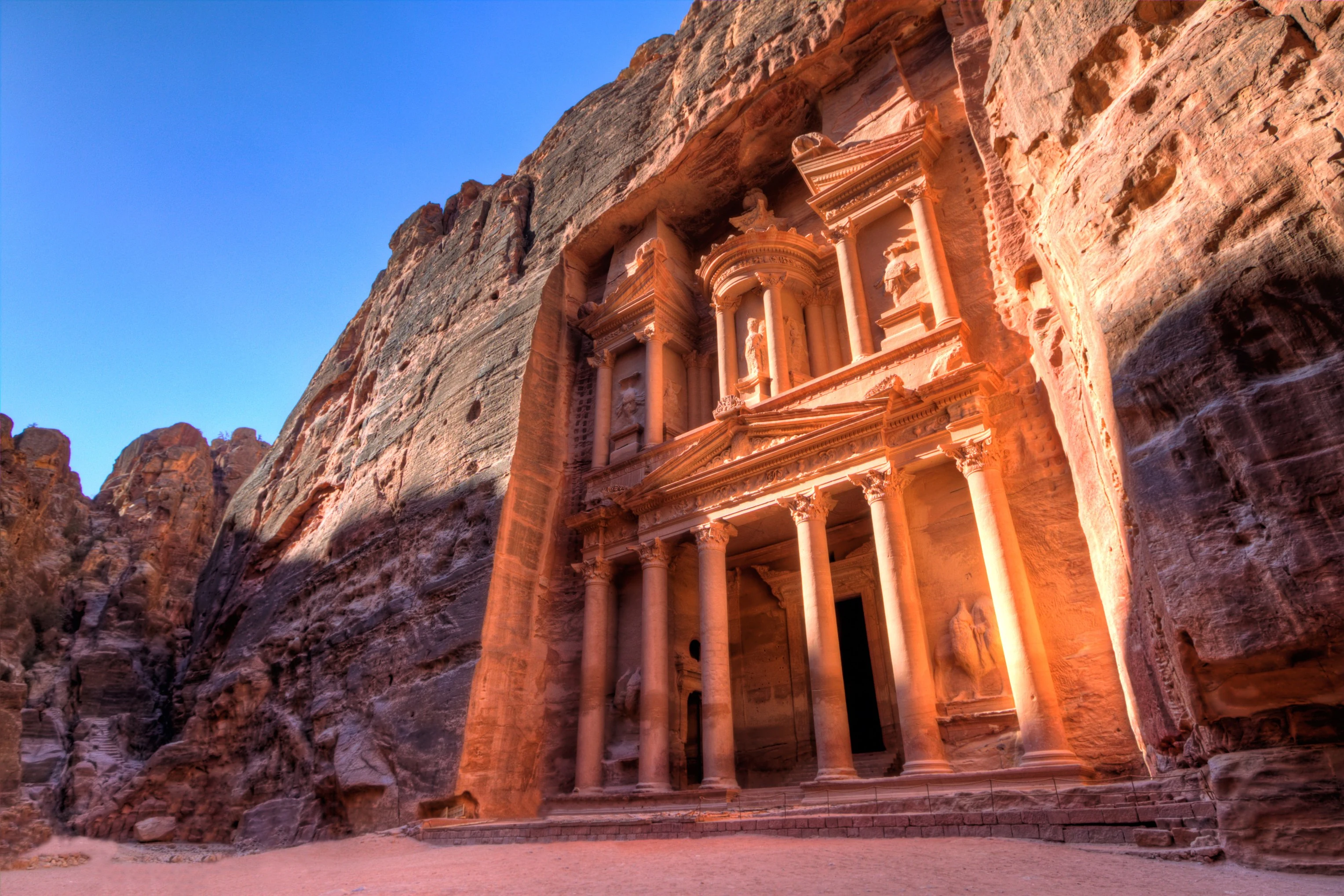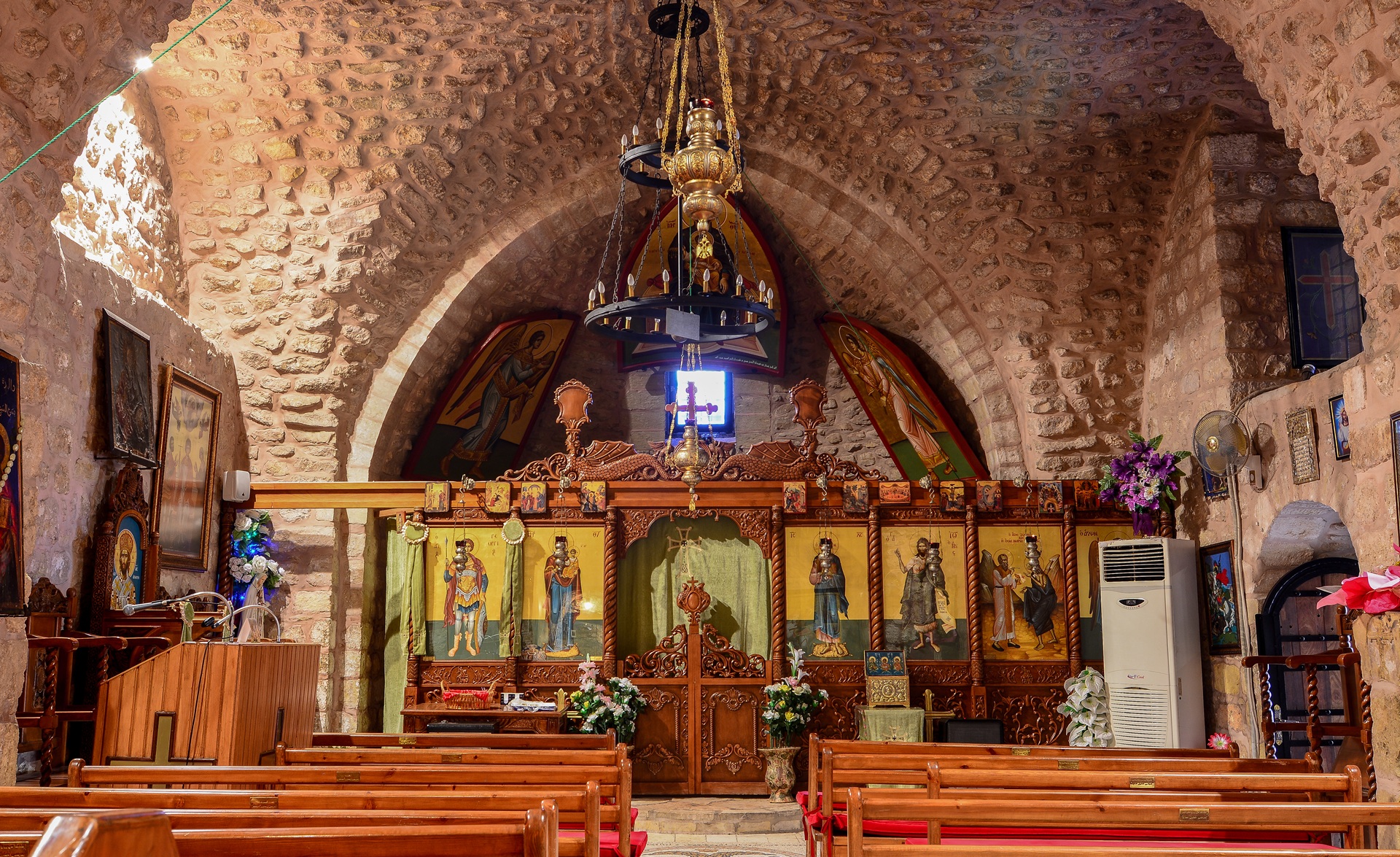
Jordan is home to significant Christian and biblical sites, reflecting its role in the history of the Holy Land. From places connected with prophets, to locations associated with the life of Jesus Christ and events described in the Bible, the country preserves a rich religious and cultural heritage. Pilgrims and visitors can explore early Christian churches, archaeological remains and sacred sites that continue to hold spiritual importance for Christians around the world. It highlights Jordan’s long-standing role as a crossroads of civilizations and faiths. It is the setting for many biblical events, including the Israelites' journey into the Promised Land, the ministry of John the Baptist, and the life of Jesus Christ. In this guide, we will explore the most significant Christian and biblical attractions in Jordan, providing insights into their historical, spiritual, and archaeological importance.
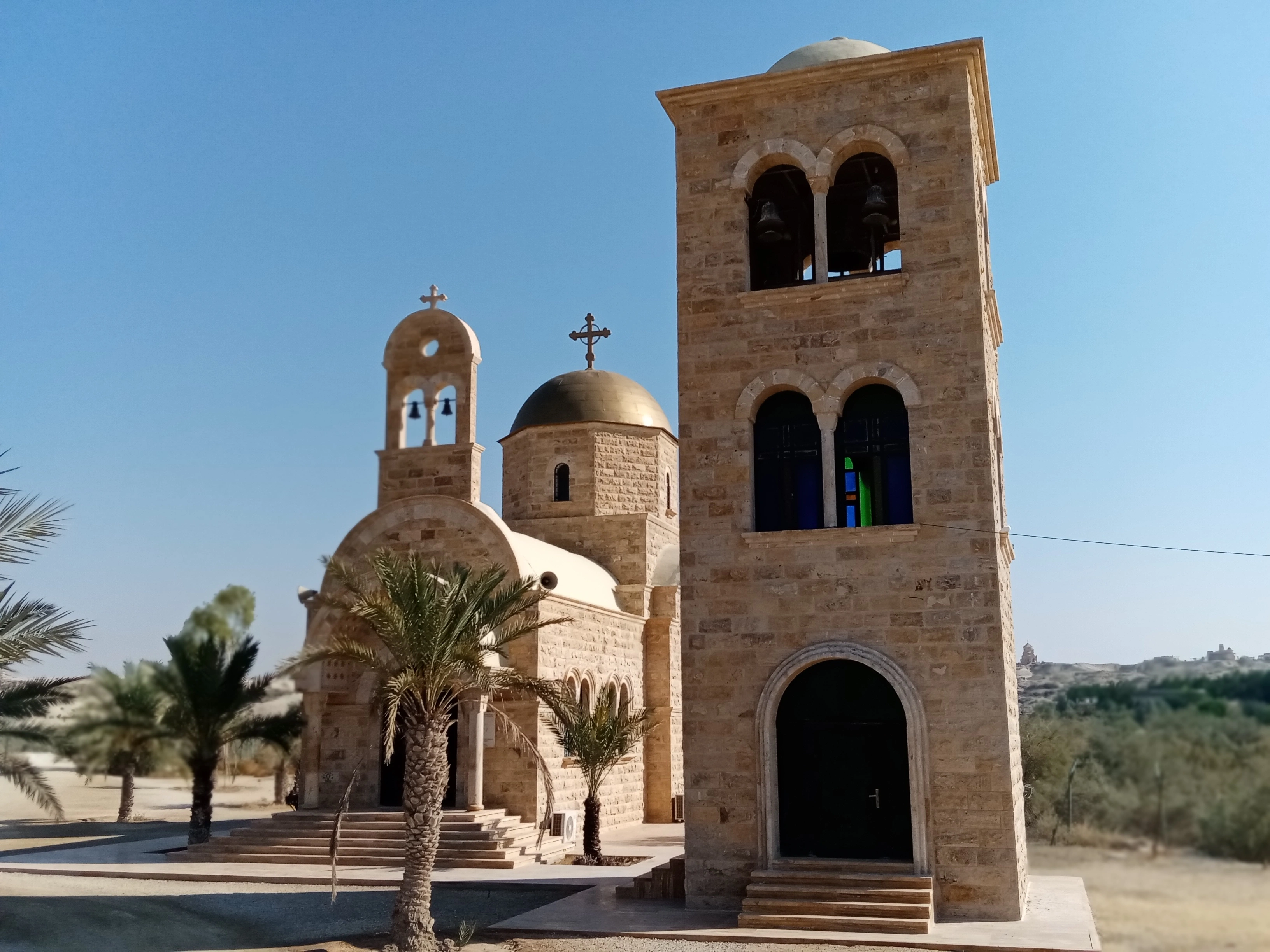
Bethany Beyond the Jordan is recognized as the site where John the Baptist baptized Jesus Christ (Matthew 3:13-17). This site is also referred to as Al-Maghtas in Arabic and is a UNESCO World Heritage site. In 1996, archaeological discoveries identified it as the exact site where John had been living and carrying out his baptisms. Pottery, coins, stone objects, and architectural remains confirm the site was used in the early 1st century AD, during the time of Jesus and John. Bethany beyond the Jordan was part of the early Christian pilgrimage route between Jerusalem, the Jordan River, and Mount Nebo.
A complimentary shuttle bus service operates within the Baptism Site of Jesus Christ to facilitate visitor access between the Viistor Centre and the archaeological zone near the Jordan River. Shuttle buses run regularly throughout visiting hours, allowing guests to explore the site at a relaxed pace while minimizing walking distances. The Baptism Site features ancient baptism pools, churches of different Christian denomination, and archaeological remains that date back to the early Christian period. Visitors can also renew their baptismal vows here. Pope John Paul II visited Bethany Beyond the Jordan during his March 2000 pilgrimage to Jordan and the Holy Land, and it was designated as a Jubilee Year 2000 pilgrimage site by the Catholic Church in the Middle East.
Mount Nebo: Viewpoint of the Promised Land
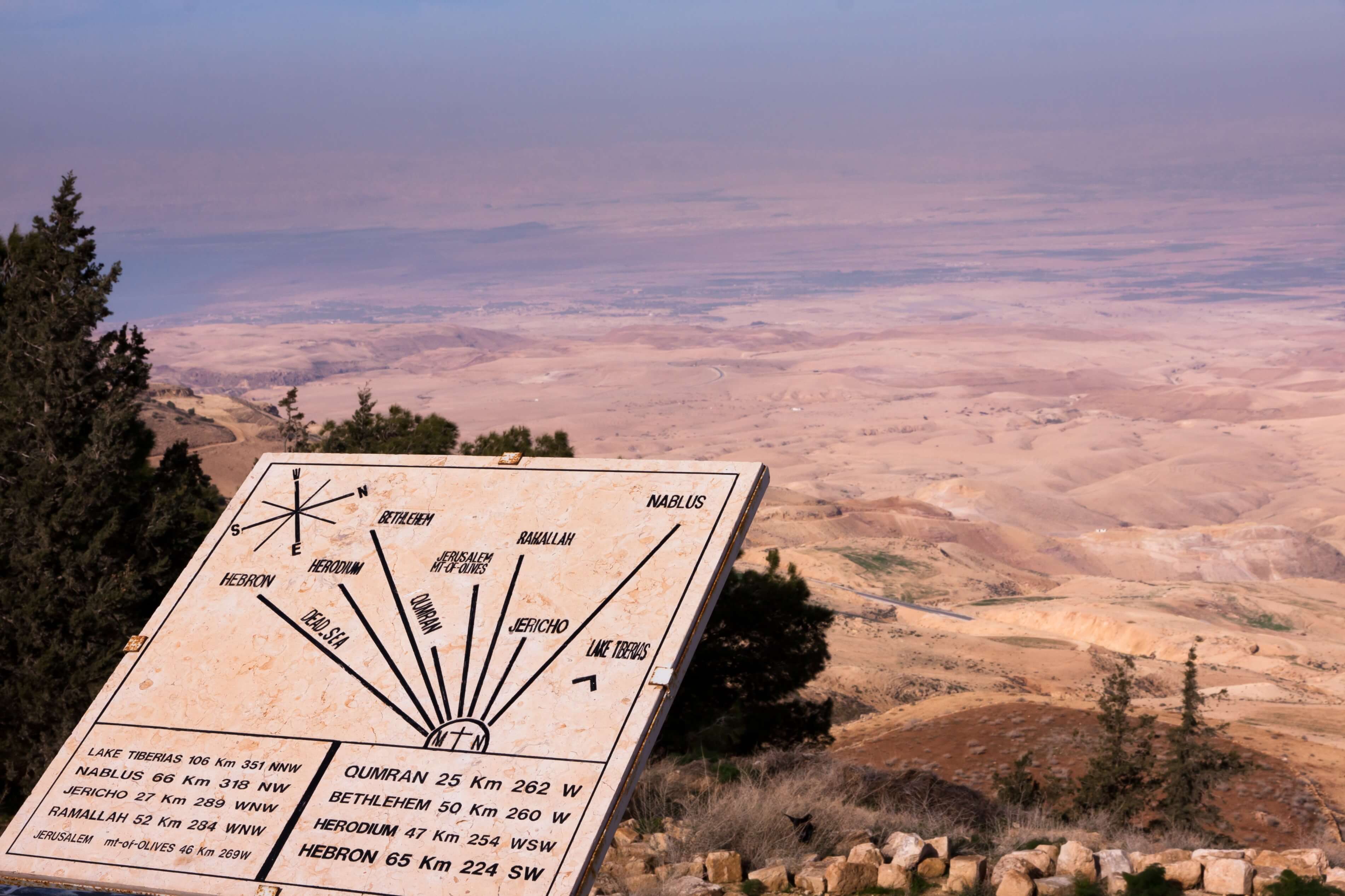
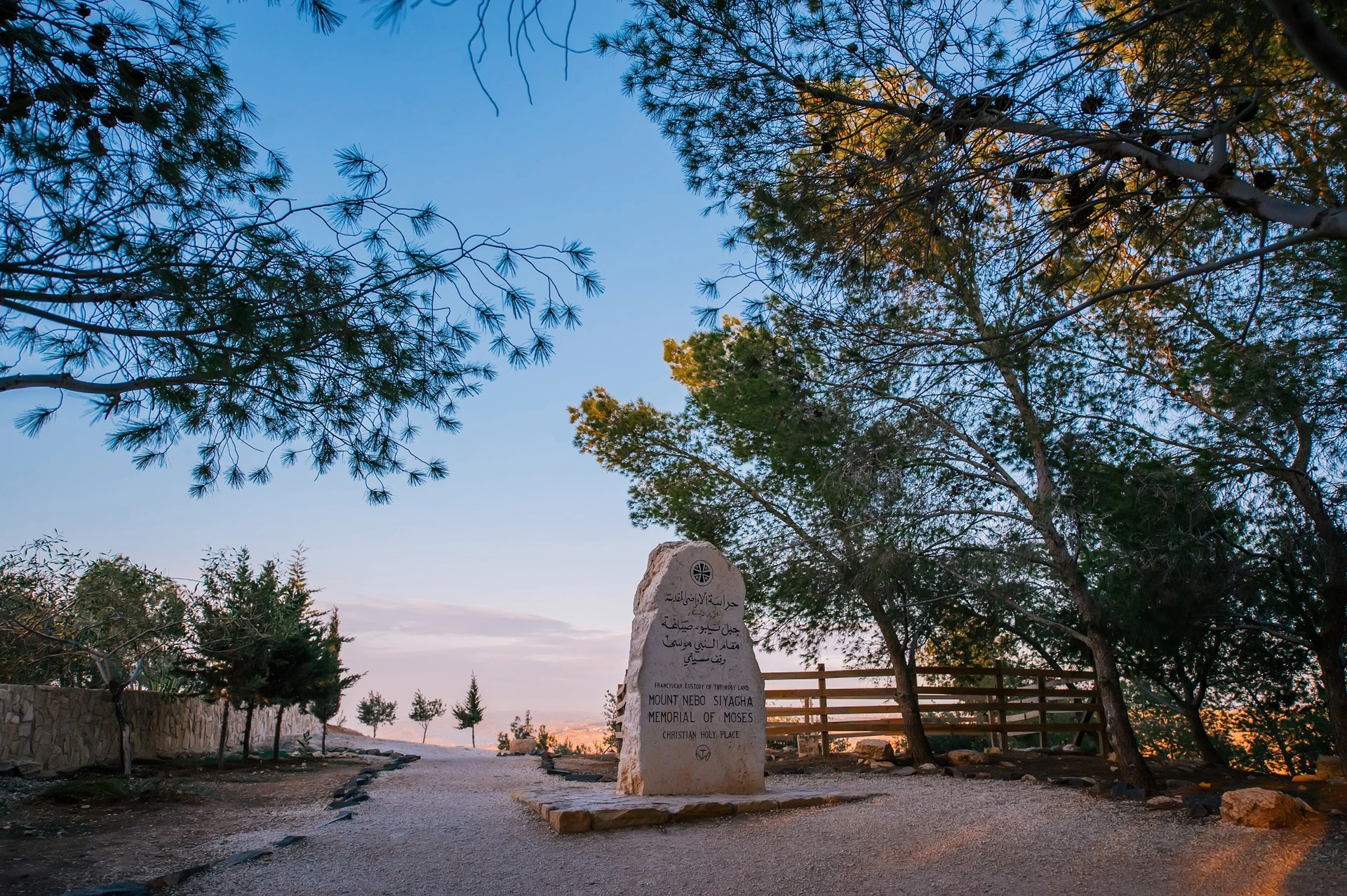
Mount Nebo is another important Christian site in Jordan. Prophet Moses led the Israelites out of Egypt and guided them for 40 years through the wilderness toward the Promised Land. According to the Bible, it is Mt Nebo where Prophet Moses was granted a view of the Promised Land before he died. The exact location of Moses’ tomb remains unknown. Mount Nebo became a place of pilgrimage for early Christians, and a small church was built there in the 4th century to commemorate the end of Moses’ life. Though the church was expanded in the 5th and 6th centuries, some of the original stones remain. The church features stunning mosaics from the Byzantine period depicting biblical scenes.
In 2000, the late Pope John Paul II commemorated the beginning of the new millennium with a spiritual pilgrimage to the Holy Land, starting his visit with prayers in the basilica at Mount Nebo. The viewing platform erected for Pope John Paul’s visit remains and is used by pilgrims to enjoy the same panoramic views of the Jordan Valley and the Dead Sea.
Madaba: City of Mosaics
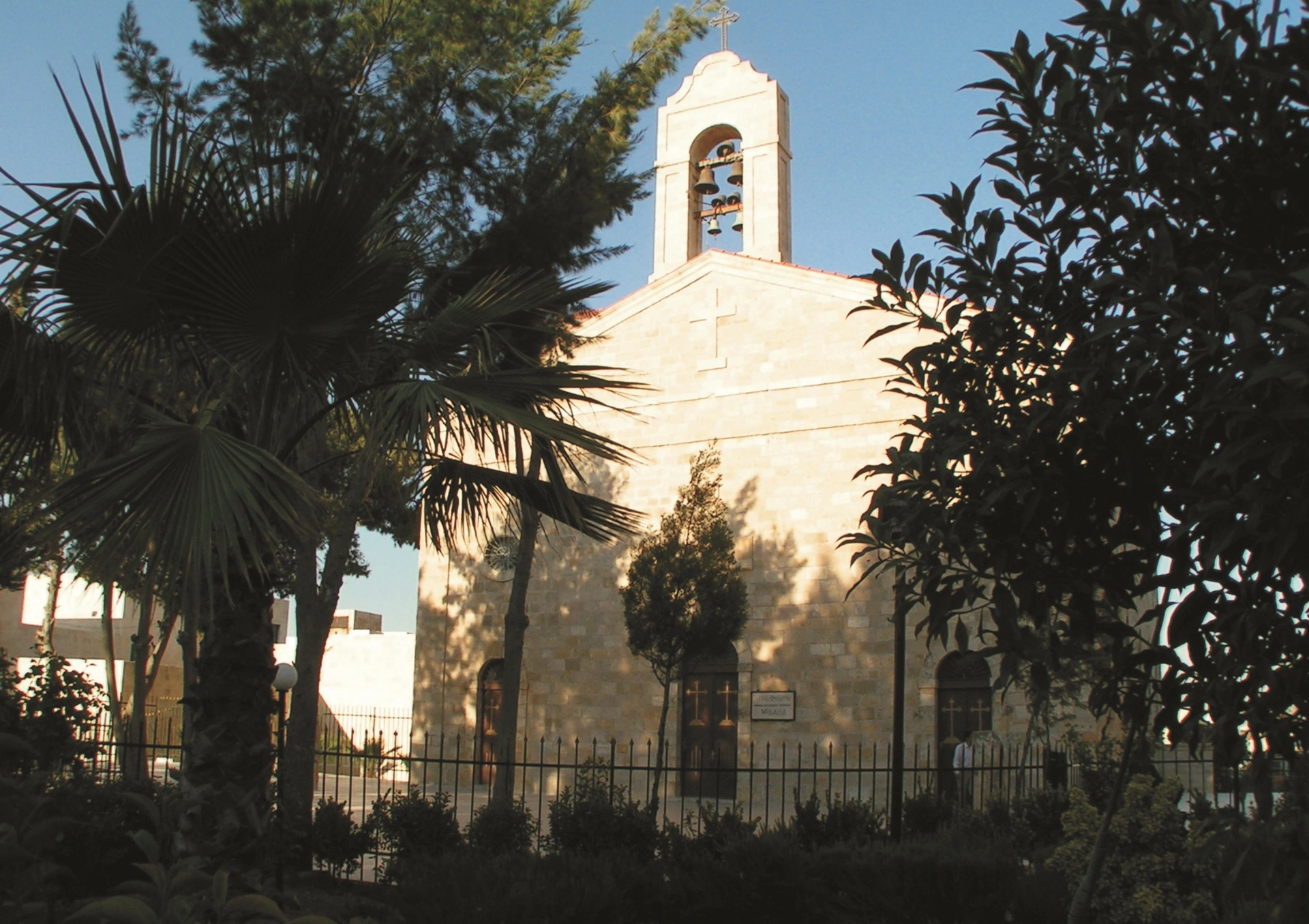
Known in the Old Testament as Medeba, Madaba and its hinterlands were featured in narratives related to Moses and the Exodus, David’s war against the Moabites, Isaiah’s oracle against Moab, and King Mesha of Moab’s rebellion against Israel. Madaba is renowned for its rich Christian heritage and numerous historical religious sites, especially Byzantine and Umayyad mosaics, many of which depict biblical scenes and figures. Madaba is home to the ancient mosaic map of the Holy Land, dating back to the 6th century. You find the map in the Church of St George. The map vividly depicts Jerusalem, Bethlehem, and other sites. The map provides a fascinating glimpse into how biblical geography was understood in early Christian times.
In addition to St. George’s Church, visitors can explore the Church of the Apostles and the Madaba Archaeological Park featuring early mosaic art. Madaba’s mosaics symbolize the enduring faith and artistic devotion of early Christians who sought to preserve biblical history through art. Overall, Madaba offers a compelling itinerary for travelers interested in Christian history and archaeology, with its well-preserved mosaics, churches, and historical sites providing a deep glimpse into the Christian heritage of Jordan.
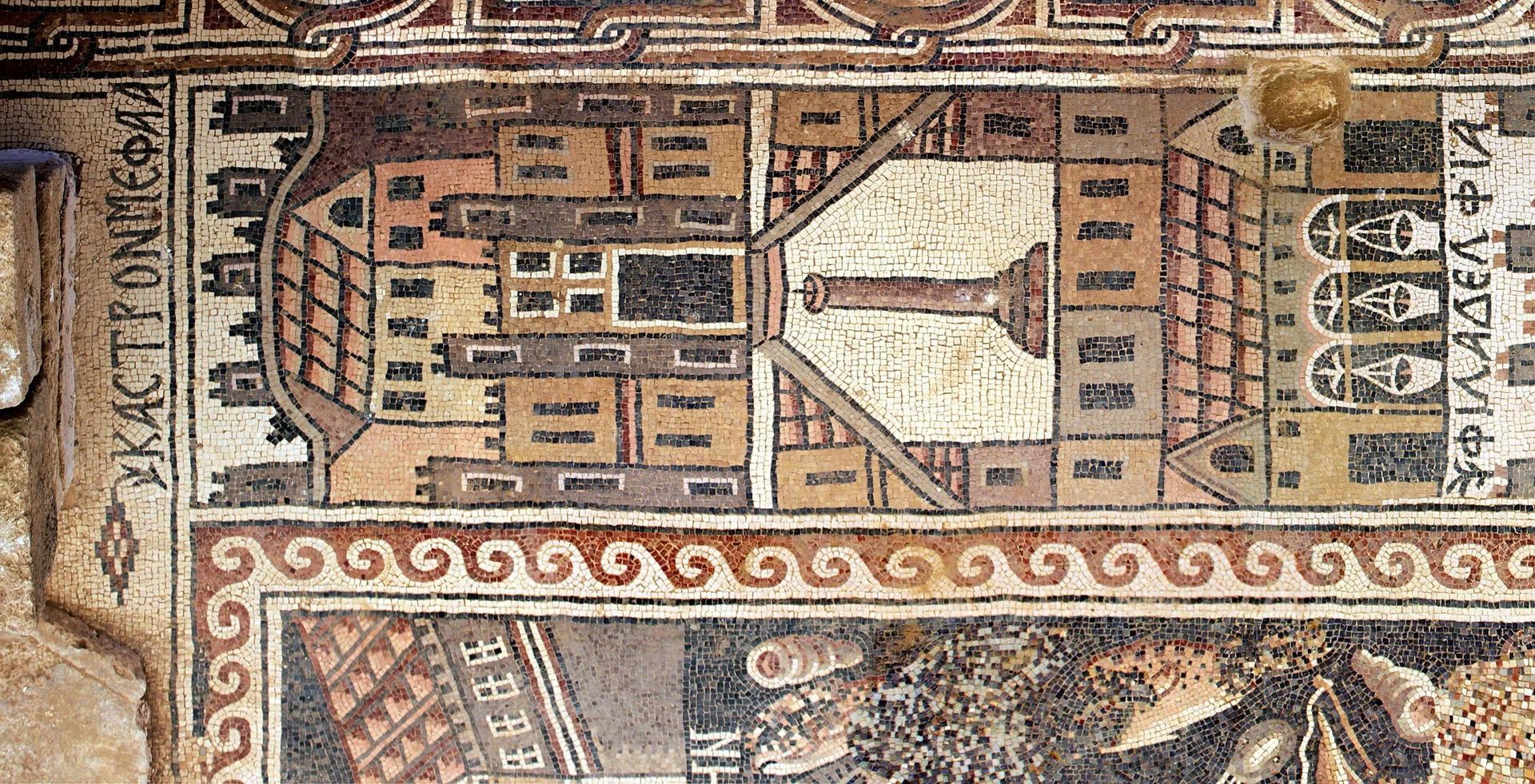
Umm Ar Rasas
Umm Ar Rassas, known as Kastron Mefa’a, has been a walled city mentioned in the Old and the New Testament. Christians produced here Byzantine-style mosaics over 100 years into the start of the Muslim Umayyad rule. Most of the city now lies in ruins, but there are several structures in its eastern part that have been excavated and restored. The most important place is the unearthed Church of Saint Stephen. Its well preserved outstanding mosaic floor is the largest of its kind to be discovered in Jordan. The mosaic depicts the images of 27 Old and New Testament cities of the Holy Land, both east and west of the River Jordan.
Just 2 km north of Umm Ar-Rasas you find a Stylite Tower. It reflects the ascetic traditions of early Christianity. The tower is associated with the stylite monks, hermits who practiced extreme asceticism by living on top of pillars or towers to dedicate their lives to prayer and contemplation. Constructed during the Byzantine period, the tower is a cylindrical structure that rises several meters above the surrounding landscape. Its design allowed ascetics to withdraw from worldly distractions while remaining visible and accessible for spiritual guidance. Today, the Stylites Tower in Um Ar Rassas is an archaeological site that attracts visitors interested in early Christian history and monastic traditions.
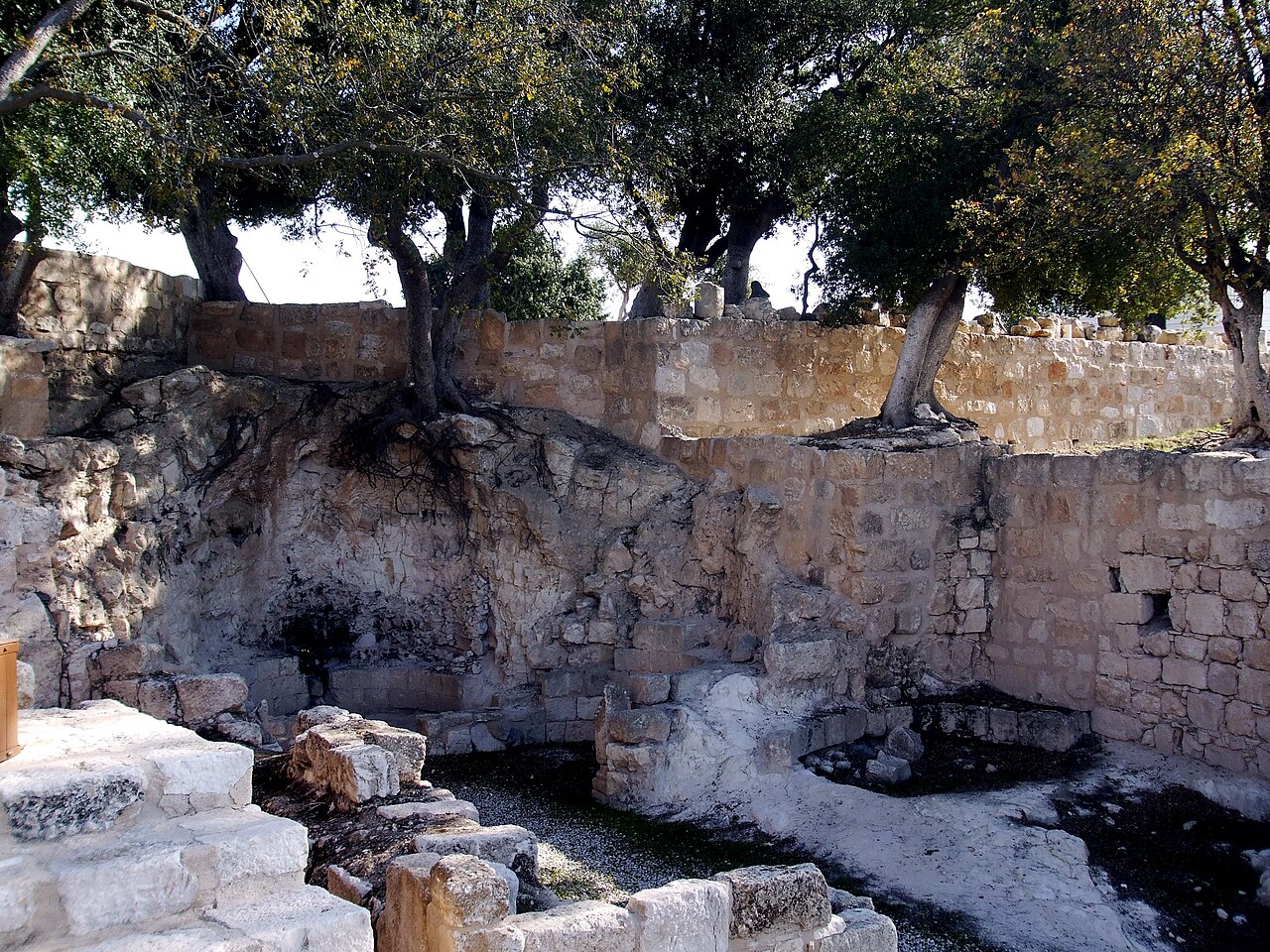
Machaerus (Mukawir)
The historic site of Machaerus, also known as Mukawir, stands as a symbol of biblical history and early Christianity. This fortress, once perched atop a steep hill overlooking the Dead Sea, is famously associated with Herod Antipas, the Roman-appointed ruler of Galilee and Perea. Herod Antipas imprisoned and beheaded here John the Baptist. Machaerus was an important royal fortress and a strategic military site. Today, visitors can hike uphill to explore the remains of the fortress, including walls, cisterns, and terraces, all set against the backdrop of the Dead Sea.
Mar Elias
Tel Mar Elias, also known as Mount Elijah, is a significant site located near the city of Ajloun. This archaeological and religious site is believed to be associated with the prophet Elijah, or Elias, an important figure in biblical tradition. The site features ancient ruins, including a church and remnants of a monastery, which suggest it was an important center of Christian worship during the Byzantine period. Visitors to Tel Mar Elias are often drawn by its panoramic views of the surrounding landscape. The main attraction at the site are the remains of the Church of Mar Elias, a Byzantine-era church built over a cave believed to be the tomb or burial site of the prophet Elijah. The church features well-preserved mosaics, frescoes, and inscriptions that date back to the Byzantine period, reflecting the site's religious importance. The surrounding area also includes ancient ruins, including remnants of monastic structures and terraces that once supported the religious community.
Anjara is a small town in northern Jordan, is renowned for its revered Christian monastery dedicated to the Virgin Mary. The Church of Our Lady of the Mountain, also known as the Anjara Monastery, is a prominent pilgrimage site that dates back centuries. According to tradition, the monastery was established on a site believed to be where the Virgin Mary visited during her lifetime. Visitors to Anjara often come to pray, seek blessings, and enjoy the peaceful atmosphere that surrounds this sacred site.
The Bible mentions this town as a place where Jesus, his mother Mary and his disciples passed through and rested in a nearby cave. The cave, which has long been a Holy place for pilgrims, has now been commemorated with the Church of Our Lady of the Mountain. The cave was also designated by the Catholic Churches as one of the five pilgrimage sites in Jordan for the year 2000.
Pella is an archaeological site in the Jordan Valley in the north of Jordan, close to the village of Tabaqat Fahl. The city was a member of the Decapolis, a league of prosperous Greco-Roman cities that flourished in the eastern Mediterranean. Its strategic location along ancient trade routes ensured continuous settlement for thousands of years, from the Bronze Age through the Islamic period. According to early Christian tradition, the followers of Jesus living in Jerusalem fled to Pella before the Roman destruction of the city in AD 70. Warned of the coming conflict, the early Christian community is said to have crossed the Jordan Valley and found refuge here, making Pella one of the earliest centres of Christianity outside Jerusalem. This tradition gave the city a special significance in the memory of the early Church, representing both survival and the spread of the Christian faith beyond its birthplace.
During the Byzantine era, Pella developed into a prosperous Christian town adorned with churches, monasteries, and public buildings. Archaeologists have uncovered the remains of several Byzantine churches with mosaic floors. These discoveries reveal how Pella evolved from a refuge for believers into an established centre of worship and pilgrimage.
The Jabbok River, known nowadays as Zarqa River, holds a profound place in biblical history. The Jabbok served as a natural boundary between territories in biblical times. The river's strategic position made it a crucial landmark for ancient civilizations, marking borders and providing essential water resources.
It is the site where Jacob wrestled with the divine figure, an event that transformed his destiny (Genesis 32:22-32). The river’s waters symbolize a place of divine encounter, transformation, and renewal. According to tradition, the Jabbok River is where Jacob received a blessing after wrestling through the night, earning him the name Israel. Today, the river is a popular pilgrimage site, especially during the Feast of the Transfiguration, as it represents a place where humans encounter God in a profound way.
● Location: Journey time from Amman is about 1 hour.
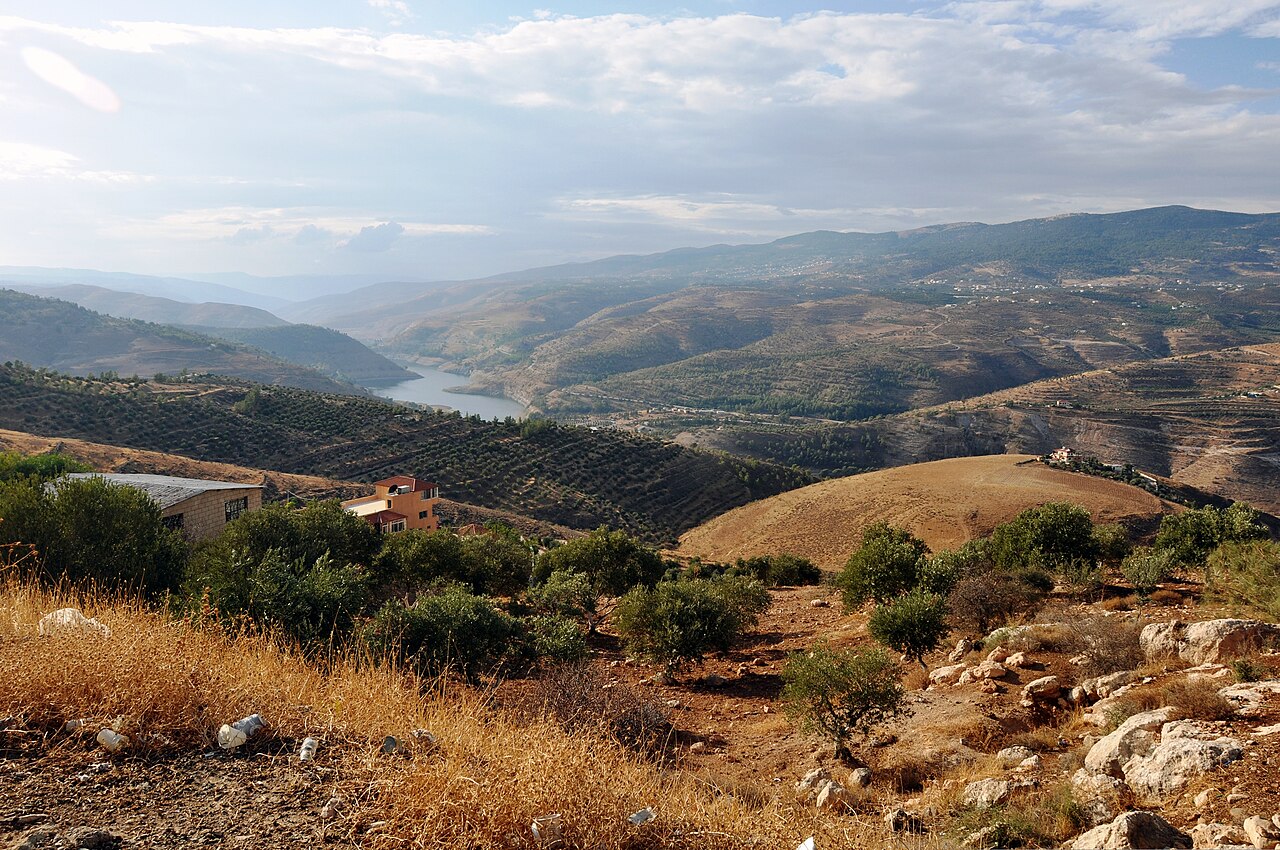
Perched on a hill, one finds the remains of Hisban (or Heshbon), an ancient city mentioned in the Bible. The city appears frequently in the Old Testament as the capital of King Sihon of the Amorites before becoming associated with the tribes of Israel. The name “Heshbon” is often linked to an ancient Semitic root meaning “calculation,” “planning,” or “wisdom,” reflecting its importance as a strategic and administrative center. Located on a strategic hill overlooking the Jordan Valley, archaeological remains reveal a city rich in history, with ruins of fortifications, churches, and ancient settlements. Christian pilgrims visit Hisban to connect with the biblical narrative of the Israelites’ conquest and settlement, as well as to explore the early Christian presence in the region.
Early Christians of the Byzantine period visited the region to connect with places mentioned in the scripture. Archaeological remains at Hisban reveal a long history of settlement, including Roman and Byzantine churches, indicating that a vibrant Christian community flourished here from the fourth century onward. The site became part of the sacred geography that helped early believers visualize the stories of the Bible and the journey of God’s people.
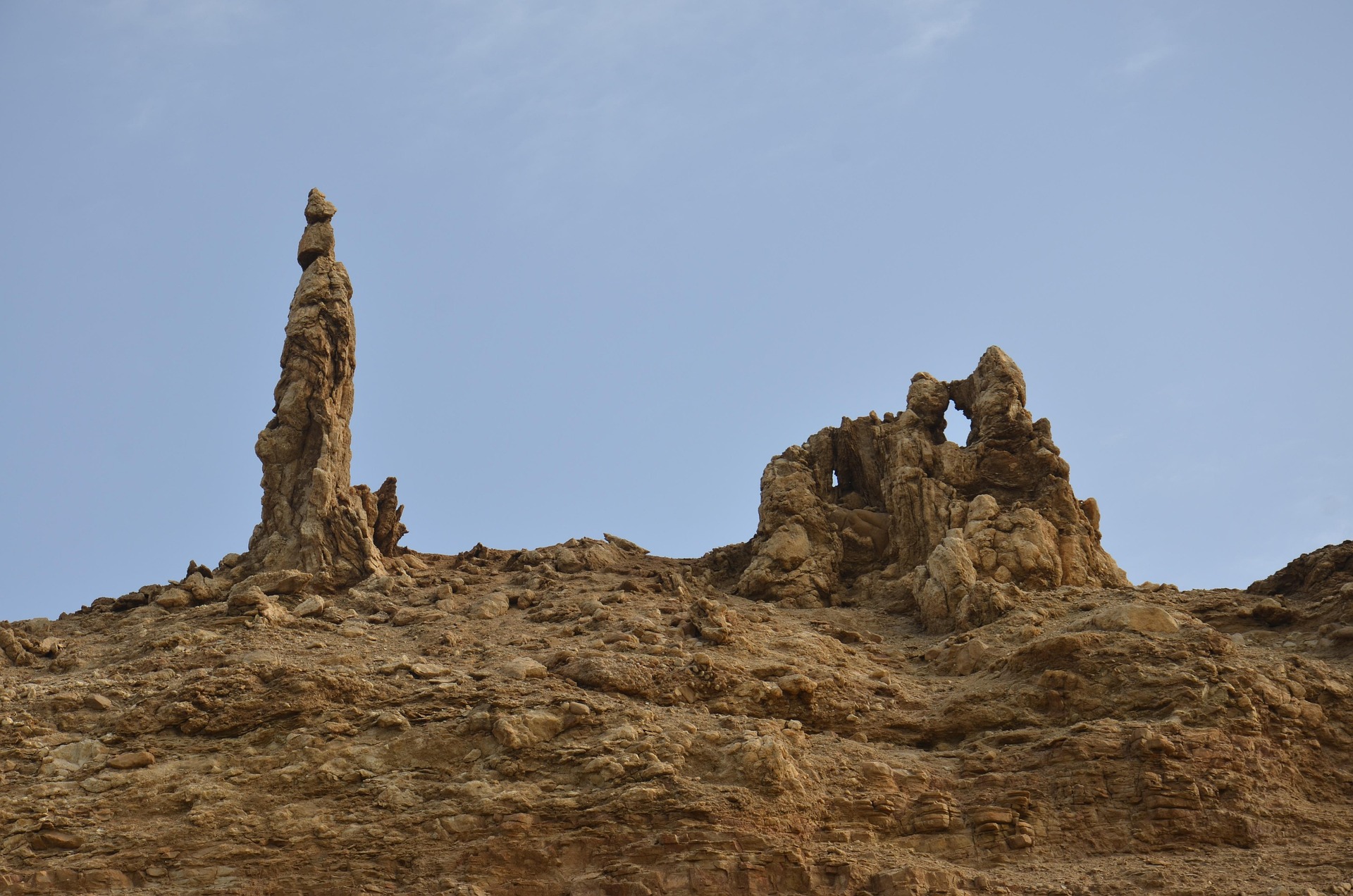
Lot’s Cave, located near the Dead Sea, is traditionally associated with the biblical story of Lot, the nephew of Abraham. According to biblical tradition, Lot fled the destruction of Sodom and Gomorrah and took refuge in a cave with his daughters. This cave, nestled in the hills near the Dead Sea, is believed by some to be the biblical site where Lot and his family sought refuge. After a 10 minutes uphill walk, visitors can explore the site including a 7th-century Byzantine church with a dedication to ‘St Lot’, and with access to the cave through the north apse. The cave's interior contains natural formations and archaeological remains. Adjacent to Lot's Cave is the famous Pillar of Salt, also known as Lot’s Wife. According to the Bible, Lot’s wife was turned into a pillar of salt when she looked back at the destruction of Sodom, despite warnings not to do so.
● To respect the places and the atmosphere, dress modestly and cover knees, shoulders and cleavage.
● Remove caps and hats before entering churches.
● Keep noise to a minimum and respect those who are praying or attending religious services. Follow any specific guidelines or instructions from site authorities.
● Ask for permission before taking photos inside churches or religious areas. Avoid taking photos during religious services or ceremonies. Be respectful when photographing icons, relics, or sacred sites.
 English
  Chinese
 French
 German
 Italian
 Portuguese
 Russian
 Spanish